
In 2024, REMSA Health found that 1 percent of all patients transported by ambulance accounted for 13.3 percent of all of its ambulance transports.
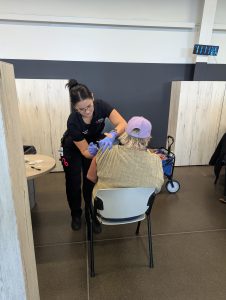
REMSA Health’s Mobile Integrated Health (MIH) team engages EMS high-utilizer patients by meeting patients where they are during scheduled, proactive visits. Many of these patients have high rates of unmet mental health needs, substance abuse, chronic homelessness, and/or other chronic medical conditions. Additionally, most of these vulnerable patients often have high rates of health related social needs. These social needs are not always adequately resolved with traditional EMS response or ED transport. This can create a cycle known as the “revolving door”, whereby vulnerable patients call 911 to access basic social/medical care, do not have their need met with emergency resources, then are discharged-only to call 911 again due to their needs still being unmet. The MIH visits focus on providing medical/social needs assessments with the goal of helping patients move from relying on reactive, emergency services to more proactive, coordinated methods of care.
Community EMS
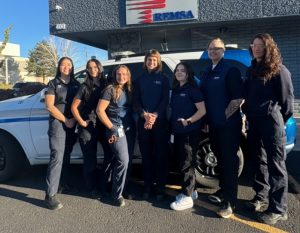
REMSA’s Community EMS clinicians include EMTs, AEMTs, and Paramedics who have completed a Division of Public and Behavioral Health approved Community EMS training program. Community EMS providers have an expanded role in the community and work to close gaps in care among target populations. Common services provided by these providers include improving healthcare access, establishment with primary care, navigation of community resources, and resolution of medical/social needs. REMSA Health was pivotal in evaluating the effects of using Community EMS clinicians in Nevada when they received a $9.1M Innovation Grant from CMS in 2012 to study the effects of utilizing Community Paramedics in the home.


